

Whole-Home Surge Protection in Cincinnati: A Post-Storm Checklist for Homeowners
Leitner Electric Co. has served Greater Cincinnati since 1978. Here Is What This Summer's Storms May Have Left Behind
Every summer storm season leaves something behind that homeowners cannot always see: residual risk to their home's electrical system. A near-miss lightning strike, a sudden utility outage, or a grid fluctuation during a heat event can send a damaging voltage spike through your wiring in a fraction of a second. At Leitner Electric Co, a family-owned electrical contractor serving this community since 1978, our state master-licensed electricians see this pattern every late summer. This post walks through what surge damage actually looks like, why whole-home surge protection matters, and how to know if your home needs an assessment before fall.
What Summer Storms Actually Do to Your Electrical System
Most homeowners picture a dramatic lightning bolt when they hear the word "power surge." In reality, the more common culprits are subtler: utility grid switching events, a neighbor's HVAC compressor cycling on, or the moment power is restored after an outage. These micro-surges happen repeatedly and quietly degrade the internal electronics in your appliances, smart home devices, HVAC controls, and EV charging equipment over time.
The modern home has never been more electrically dense. With the growing demand for EV chargers, solar inverters, smart panels, and connected appliances, a single unprotected surge event can cause losses that far outpace the cost of installing surge protection.
Why a Power Strip Is Not Enough
A surge protector power strip is a point-of-use device. It protects what is plugged directly into it, and only up to the limits of its individual joule rating, which depletes over time. It does nothing for your refrigerator, your HVAC system, your washer and dryer, your water heater controls, or the wiring feeding your EV charger.
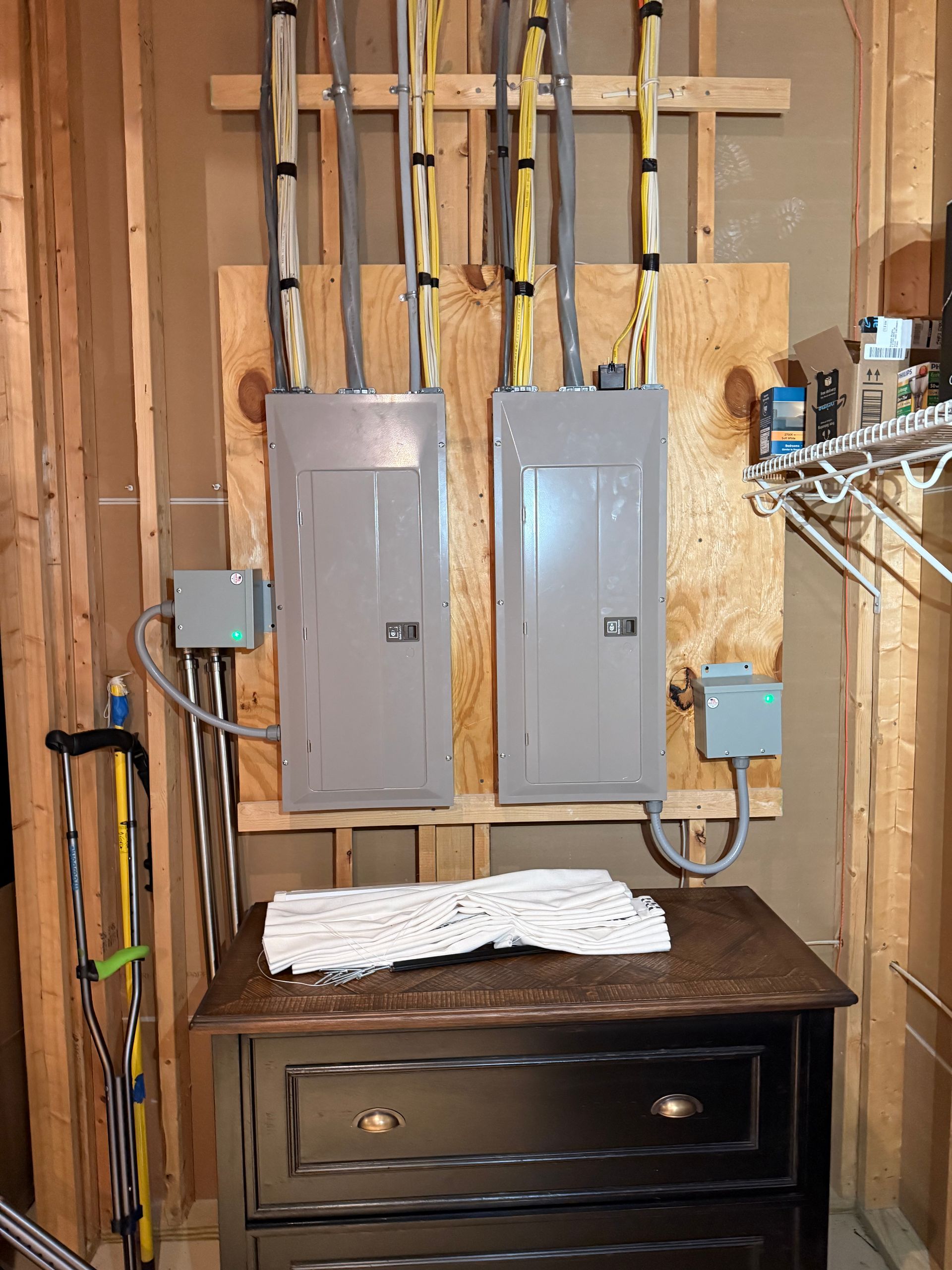
A whole-home surge protection device is installed at your main electrical panel by a licensed electrician. It intercepts damaging voltage before it ever reaches your branch circuits, serving as a first line of defense for everything in the house. Point-of-use strips at sensitive electronics can still serve as a useful second layer, but the whole-home device does the heavy lifting.
What a Whole-Home Surge Protection Installation Involves
This is not a multi-day project or a major disruption to your home. For most residences, our state master-licensed electricians complete a whole-home surge protection installation in a single visit. Here is what the process looks like:
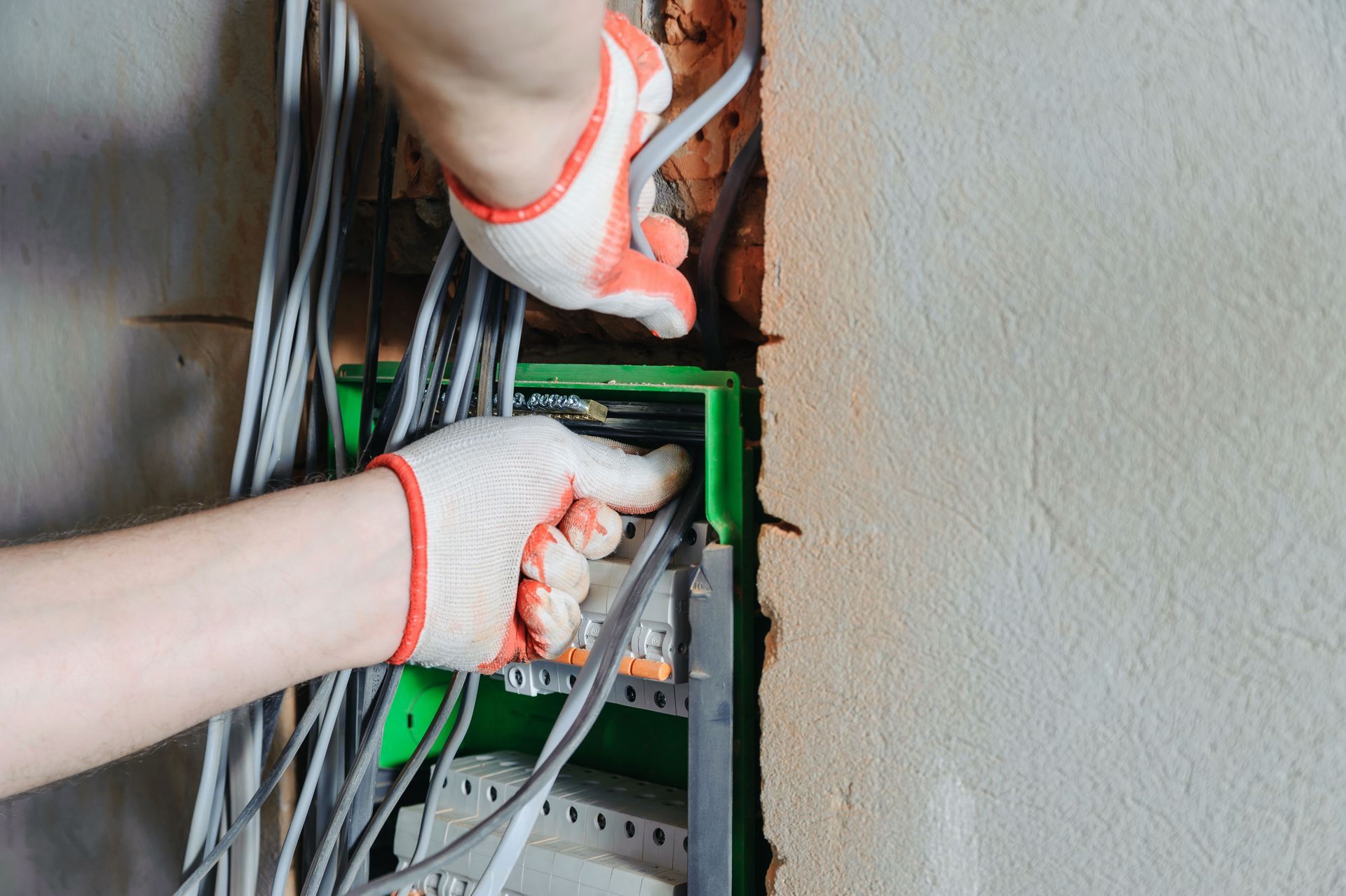
- Panel assessment: We evaluate your current panel condition, available space, and grounding integrity before any work begins.
- Device installation: A surge protection device is mounted at or near your main electrical panel to provide whole-home coverage.
- Grounding verification: Proper grounding is essential for surge protection to function correctly, and we confirm that yours meets current standards.
- Post-installation walkthrough: We explain what was installed, what it protects, and what maintenance to expect going forward.
The investment for whole-home surge protection typically falls in the $600 to $700 range, a straightforward comparison against replacing a smart appliance, an HVAC control board, or a home EV charger.
Protecting High-Value Electrical Upgrades at the Panel Level
Homeowners who have recently invested in residential electrical upgrades have even more reason to prioritize panel-level protection. A surge event that damages a solar inverter, a battery storage system, or an EV charger installation is an expensive problem that whole-home protection can help prevent. As grid instability increases and extreme weather becomes more frequent, surge protection has become a foundational part of a resilient home electrical system.
Our team regularly consults with homeowners on the full picture of electrical resilience, from generator sales and service to solar panel installations to panel capacity, and we are glad to walk through your specific situation.
Your Post-Storm Assessment Checklist
If your home experienced any of the following this summer, it is worth scheduling a professional electrical assessment:
- Unexplained appliance behavior: Devices resetting, displaying errors, or underperforming after a storm or outage.
- Tripped breakers following a grid event: A surge can stress breakers and internal wiring even if nothing appears visibly damaged.
- No existing whole-home surge protection: If you are not sure whether you have it, you almost certainly do not.
- Recent high-value electrical additions: EV charger installations, solar panel systems, smart home hubs, and medical equipment all warrant panel-level protection.
Schedule Your Surge Protection Assessment Before Fall
Late summer is the right moment to act. Storm season is winding down, fall brings its own grid stress from heating demand, and the holiday season puts even more expensive electronics in your home. Getting whole-home surge protection installed now means your electrical system is covered before the next weather event or grid fluctuation arrives.
Leitner Electric Co has been a trusted part of this community since 1978, and our state master-licensed electricians bring the same care and standards to a surge protection installation that they bring to every project, large or small. Contact our team today to schedule your assessment, or visit our about page to learn more about who we are. Leitner Electric Company is located at 11260 Cornell Park Dr., Suite 707, Cincinnati, OH, and has served homeowners and families across the Greater Cincinnati and Northern Kentucky area since 1978.
Share On: